
Pittsburgh: The Underrated City Smart Entrepreneurs Are Betting On
July 10, 2026 · Dr. Connor Robertson
While coastal investors argue over San Francisco and New York, a quieter real estate and business story is unfolding in Pittsburgh. Here is why smart entrepreneurs are paying attention to the Steel City right now.
I have lived and built businesses in Pittsburgh. I have watched this city get written off, underestimated, and overlooked by national media for years. And I have also watched it quietly become one of the most compelling places in the country to build wealth, launch a business, and put down roots. The gap between what people assume about Pittsburgh and what is actually happening here is one of the most interesting arbitrage opportunities I have ever seen.
Right now, that gap is closing fast. And the entrepreneurs who understand what is happening have a real window to act.
The Numbers Do Not Lie
Pittsburgh ranks in the top five U.S. cities for first-time homebuyers in 2026. Median home prices sit roughly 40 percent below the national average. That is not a typo. You can buy a detached single-family home in a walkable Pittsburgh neighborhood for what a studio apartment costs in Austin or Denver.
For real estate investors, that spread matters enormously. When your acquisition cost is low relative to rental income potential, your cap rates and cash-on-cash returns look completely different than they do in overheated coastal markets. The investors I know who built serious portfolios in Pittsburgh over the last decade did not do it because Pittsburgh was glamorous. They did it because the numbers worked when the numbers in other cities stopped working.
But the opportunity is not just about being cheap. Pittsburgh is getting genuinely better, and that is the more important story.
A City in Active Transformation
This year alone, Pittsburgh is seeing a wave of development that would make most mid-size American cities envious. Major office-to-residential conversion projects are reshaping the downtown core. New mixed-use developments are creating live-work-play environments that attract young professionals. The Monroeville Mall, once a symbol of suburban decline, is being redeveloped into a full mixed-use gateway with retail, dining, and entertainment.
Oxford Development recently secured $67 million in financing to build 21 West, an 11-story, 291-unit residential community with amenities that would look at home in any major metropolitan market. These are not small bets. These are serious capital commitments from developers who see sustained demand.
And then there is the infrastructure. Major bridge replacements are underway. Arts Landing is coming online. The city hosted the NFL Draft this past spring, drawing national attention and reinforcing Pittsburgh's identity as a legitimate major-league city.
Pittsburgh is not trying to become the next San Francisco. It is becoming something more interesting: a functioning, affordable, improving city where businesses and people can actually thrive without the overhead of coastal living crushing their margins.
What This Means for Entrepreneurs
I think about Pittsburgh through two lenses: as a place to operate a business and as a place to invest capital.
On the operating side, the cost advantages are substantial. Talent is here. Carnegie Mellon and the University of Pittsburgh produce world-class engineers, data scientists, healthcare professionals, and business leaders. Many of them want to stay. When your labor market is competitive but not insane, and your commercial real estate costs are a fraction of what you would pay in comparable coastal cities, your business model gets a lot more resilient. I have seen companies build meaningful operations in Pittsburgh specifically because their runway stretches further here than it would anywhere else.
On the investment side, the timing feels increasingly important. Pittsburgh has largely missed the speculative frenzy that drove prices to unsustainable levels in Sun Belt cities over the past several years. That measured appreciation means the market here is not recovering from a correction. It is building on a stable base. When you combine that stability with active development, improving demographics, and nationally recognized affordability, you have the ingredients for meaningful long-term appreciation without the volatility risk.
The Underrated City Playbook
There is a pattern I have noticed across entrepreneurship and real estate. The biggest returns rarely come from betting on the obvious. They come from identifying places and opportunities that are genuinely improving but have not yet been fully re-rated by the broader market. Pittsburgh fits that description almost perfectly right now.
The people already here know what the city offers. The people who left often miss it. And the investors and entrepreneurs arriving from other markets frequently describe a version of the same experience: they came with lowered expectations and left impressed, or decided to stay.
That is the signal worth paying attention to.
I am not suggesting Pittsburgh is the only city worth watching. But I am suggesting that the combination of affordability, active investment, improving infrastructure, strong university talent pipelines, and a business community with genuine grit adds up to something worth understanding before the national narrative catches up to the local reality.
By the time every business outlet is writing breathlessly about Pittsburgh, the window will have already closed for the best opportunities. The entrepreneurs who win here will be the ones who did the work now.
What I Am Watching
Right now I am paying attention to a few specific dynamics in the Pittsburgh market. Residential conversion of underused commercial space is creating new housing inventory in areas with strong walkability scores. Neighborhoods adjacent to the university campuses continue to see demand that the broader city does not always capture in headline statistics. And the business services sector, including professional services firms, media companies, and technology startups, is growing steadily without the boom-bust volatility you see in pure tech markets.
I am also watching the infrastructure investments carefully. Better connectivity and improved public spaces attract residents and businesses. When a city invests in itself at this scale, it is usually a leading indicator of broader appreciation.
If you are an entrepreneur building a business, a real estate investor looking for asymmetric returns, or someone who wants to build something meaningful without paying San Francisco prices to do it, Pittsburgh deserves serious consideration. Not as a consolation prize. As a deliberate, strategic choice.
The Steel City earned its reputation through hard work and reinvention. The entrepreneurs betting on it in 2026 are doing the same thing.
I write about Pittsburgh business and real estate at The Pittsburgh Wire, where my team covers development news, business openings, and economic trends shaping the region. If you want to follow what is actually happening on the ground here, that is where I track it.
And if you are thinking about building a business or acquiring one in this market, reach out. I spend a lot of time on exactly that question through Elixir Consulting Group. The right market at the right time is one of the most powerful unfair advantages an entrepreneur can have. Pittsburgh, right now, might be yours.
About the Author
Dr. Connor Robertson is a Pittsburgh-based entrepreneur, author, and podcast host. He is the founder of Elixir Consulting Group, publisher of The Pittsburgh Wire, and host of The Prospecting Show.
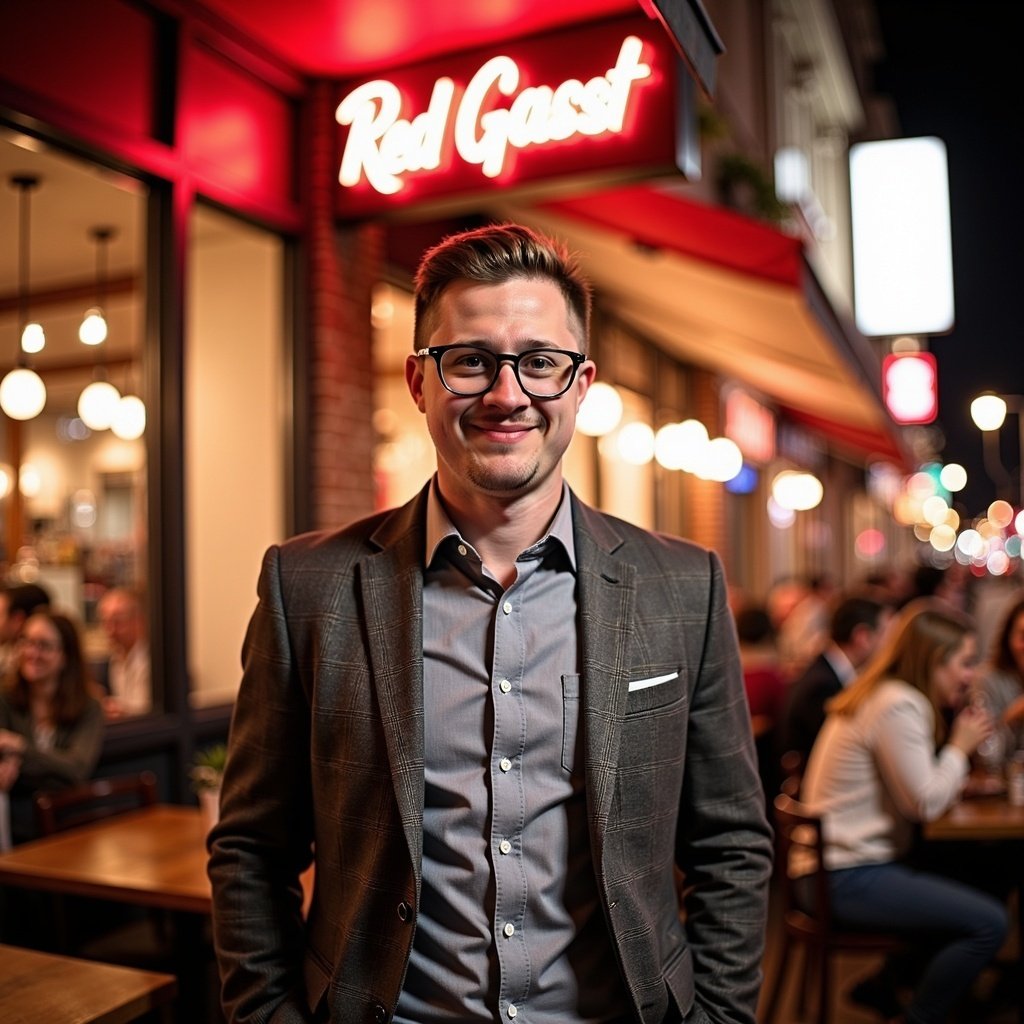
Entrepreneur, author, and podcast host based in Pittsburgh. Connor writes about business strategy, leadership, and building ventures that create lasting impact. Explore his published books.

